News Reporting
Learn how to identify stories, gather facts, structure reports and communicate information with clarity, accuracy and public value.
Informing society through truth, clarity and public responsibility.
The Journalism programme at MEHIT University prepares students with reporting skills, media ethics, research discipline and digital storytelling abilities for careers in newsrooms, public communication, editorial media and modern information platforms.
The Journalism programme develops students’ ability to research, verify information, interview sources, write clearly, report ethically and communicate across print, broadcast and digital platforms.
Journalism serves society when truth, context and responsibility guide every story.
Learn how to identify stories, gather facts, structure reports and communicate information with clarity, accuracy and public value.
Develop the professional judgment required to report responsibly, respect sources and serve audiences with fairness and integrity.
Build disciplined research habits and interviewing techniques that help journalists ask better questions and verify information.
Prepare to report and publish across digital platforms using modern storytelling formats, audience awareness and editorial standards.
Strengthen written expression through clear structure, strong headlines, careful editing and confident editorial decision-making.
Understand journalism’s role in informing communities, supporting civic awareness and communicating issues that matter to society.
Journalism students move through a structured pathway that connects media theory, reporting discipline, digital storytelling and portfolio-based professional preparation.
Begin with the principles of communication, journalism, media systems and the role of information in public life.
Media FoundationLearn how to research, verify information, interview sources and write clear stories for editorial and public communication contexts.
Reporting DisciplineBuild confidence across digital publishing, audio-visual reporting, broadcast formats and modern storytelling platforms.
Digital PracticeCreate refined reporting work, strengthen editorial judgment and prepare a professional portfolio that demonstrates readiness for media careers.
Portfolio ReadinessStudents build the writing, legal awareness, investigative discipline and multimedia judgment needed to report clearly across print, broadcast and digital platforms.


Learn how to write clear, accurate and structured news stories that communicate essential information with editorial discipline.
Understand the legal and ethical responsibilities that guide reporting, publishing, source protection and public trust.
Build disciplined research, verification and interviewing skills for deeper reporting that serves public understanding.
Learn how to shape stories for websites, social platforms, multimedia formats and fast-changing digital news environments.
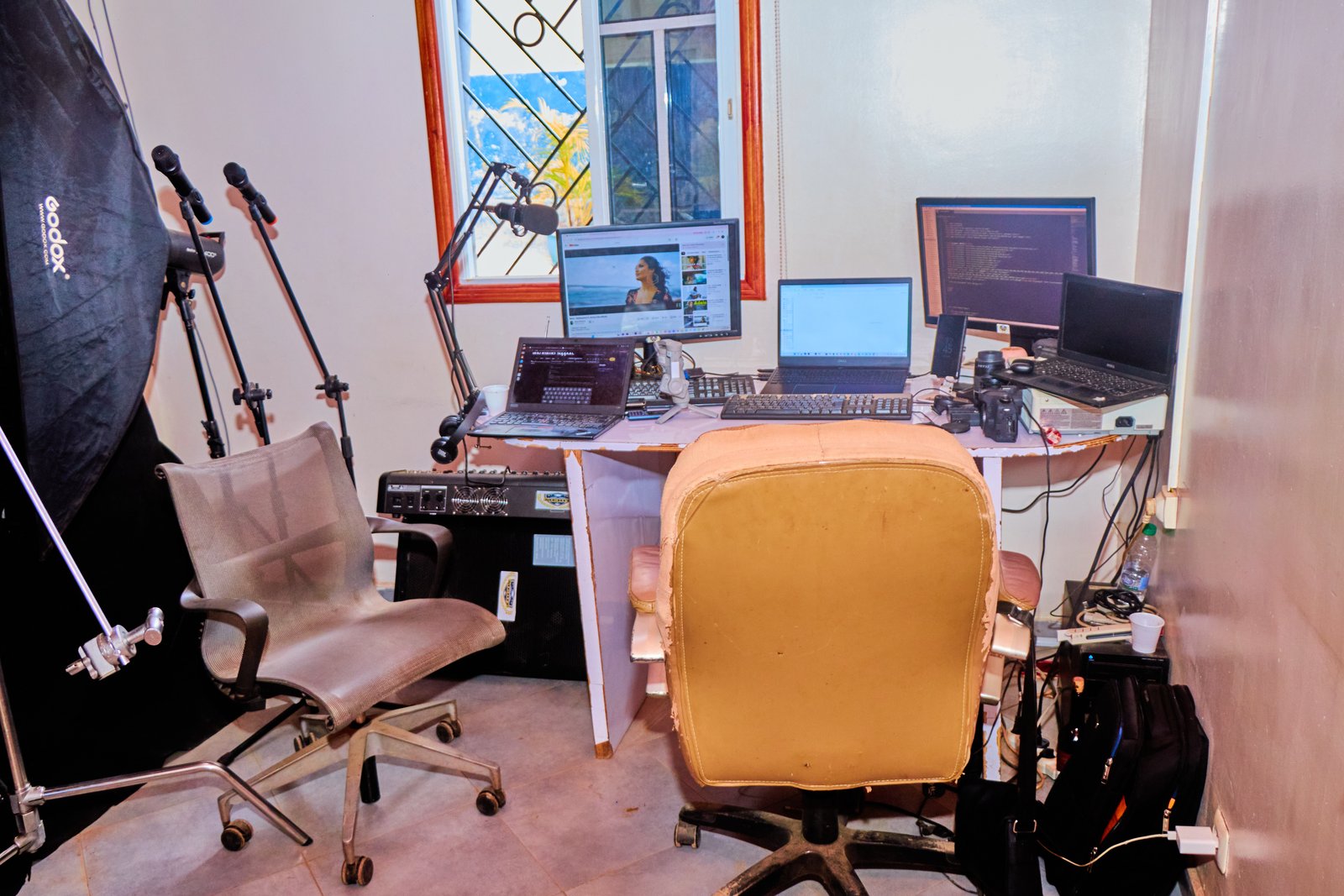
Develop confidence in audio-visual reporting, studio practice, presentation, scripting and broadcast production workflows.
Practice editing, headline judgment, story structure and the decision-making standards used in responsible editorial work.
Students learn through editorial writing, field reporting, media production and structured review sessions that connect classroom knowledge with professional journalism practice.

Students develop confidence through structured newsroom-style writing, story planning, fact checking, editing and professional feedback on their reporting work.
Students practice asking clear questions, gathering information, working with sources and shaping observations into responsible journalistic stories.
Practical projects introduce digital publishing, multimedia content, audience awareness and the editorial standards of online journalism.
Students gain experience with studio routines, scripting, presentation, audio-visual storytelling and broadcast production workflows.
Guided review sessions help students strengthen judgment, improve clarity, refine structure and learn how professional editorial decisions are made.
Students build a body of reporting, writing and media work that demonstrates growth, discipline and readiness for communication careers.
Journalism graduates are prepared for roles that require reporting discipline, editorial judgment, research skill and confident public communication.
Confirm with Admissions
Four Semesters + Practical Media Training
Arts, humanities or relevant subjects preferred
Full-time On-Campus Programme
MEHIT University Main Campus
Current tuition available from Admissions Office.
Prepared for reporting, editorial media, digital storytelling and public communication roles.
Programme duration is available from the MEHIT University Admissions Office based on the selected qualification pathway.
Students study news writing, reporting, media ethics, media law, interviewing, digital storytelling, broadcast journalism and editorial practice.
Yes. Students develop practical skills through newsroom writing, interviews, media production, editorial review and portfolio-based projects.
Yes. Graduates may progress to further communication or media studies subject to the University’s admission requirements.
Graduates may work as Journalists, News Reporters, Editorial Assistants, Digital Content Producers, Broadcast Reporters, Media Researchers and Communications Officers.
Applications are submitted through the MEHIT University Admissions Office. Contact Admissions for entry requirements, tuition fees and application deadlines.
Join a journalism programme designed to develop ethical storytellers, careful researchers and confident media professionals for today’s fast-changing communication landscape.