Advanced Computing Knowledge
Build a deeper understanding of computing architectures, digital systems, algorithms and specialised technology environments.

The Master of Technology at MEHIT develops advanced technical, analytical and research competence for professionals who want to design secure software, intelligent systems, modern networks and data-driven technological solutions.
The MTech develops professionals who can understand complex technological systems, design advanced digital solutions and lead applied innovation across software, cybersecurity, networks, telecommunications, artificial intelligence and data systems.
The programme combines advanced computing knowledge, engineering judgement, technical research and professional application. Students progress beyond the use of existing technologies to the analysis, design, evaluation and improvement of systems that respond to organisational, industrial and societal needs.
Technology creates lasting value when advanced knowledge, responsible innovation and practical engineering work together.
Build a deeper understanding of computing architectures, digital systems, algorithms and specialised technology environments.
Analyse, design and improve integrated software, network, data and intelligent systems.
Investigate real technical problems using structured research, evidence and disciplined experimentation.
Respond to complex technical constraints through analysis, engineering judgement and practical solution development.
Develop secure, intelligent and scalable technological solutions for modern organisations and industries.
Lead technical teams, technology projects and digital transformation initiatives with clarity and professional responsibility.
Plan, develop, test and evaluate applied technological projects from concept to implementation.
Evaluate technological decisions through security, accountability, professional ethics and their wider social consequences.
The MTech is intended for professionals and graduates seeking deeper technical expertise, stronger engineering judgement and the capacity to lead complex technology initiatives across organisations and industries.
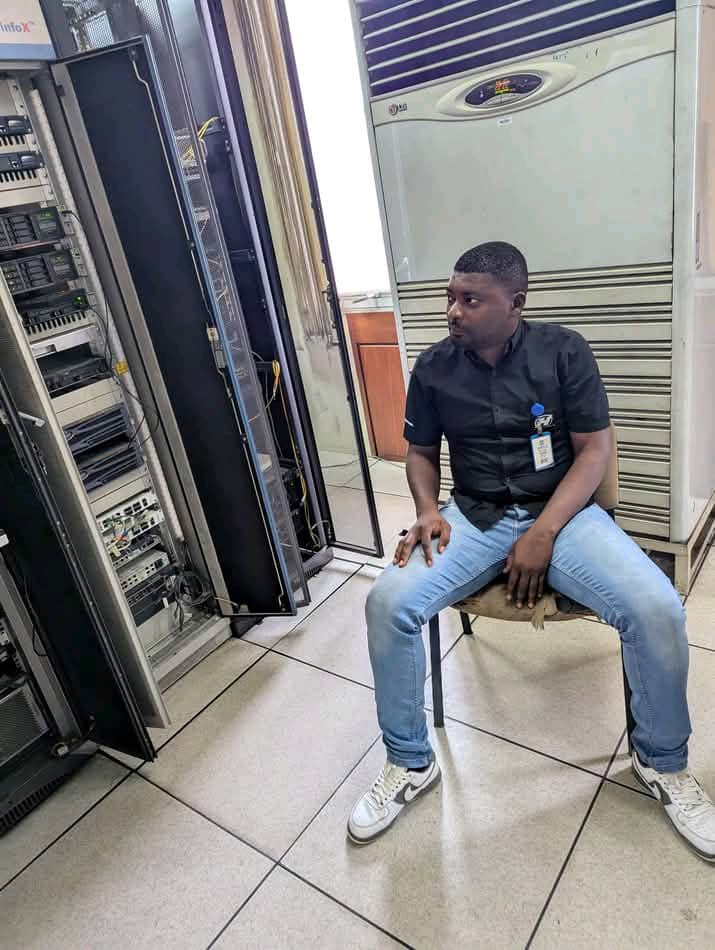
Advanced technology education for professionals responsible for systems, infrastructure, security, data and digital innovation.
Professionals seeking advanced competence in software architecture, systems development, application engineering and software quality.
Engineers responsible for analysing, integrating and improving complex technical and digital systems.
Practitioners working in information security, cyber-risk management, security operations, digital forensics and infrastructure protection.
Professionals responsible for enterprise networks, connectivity, infrastructure performance and secure communication systems.
Specialists working with communication infrastructure, wireless systems, network services and telecommunications operations.
Professionals seeking stronger competence in data systems, analytics, data engineering and evidence-based technological decision-making.
Professionals developing intelligent systems, machine-learning solutions, predictive models and data-driven applications.
Technology leaders managing infrastructure, technical teams, digital services, operational continuity and transformation programmes.
Professionals responsible for planning, coordinating, implementing and evaluating complex technology projects.
Founders and innovation leaders developing digital products, technical services and scalable technology ventures.
Graduates seeking advanced technical formation, specialised professional competence and stronger research capacity.
Professionals preparing for advanced research, technology publication, doctoral study and academic or industrial investigation.
Each MTech pathway develops advanced technical judgement, applied research competence and the capacity to design, improve and lead complex technology systems.
Develop advanced competence in software architecture, application engineering, systems development, software quality and the delivery of complex technology projects.
Develop the advanced technical and strategic competence required to protect information systems, networks, applications and critical digital infrastructure.
Build advanced knowledge of communication systems, enterprise networks, telecommunications infrastructure and network performance.
Develop advanced competence in intelligent systems, machine learning, data engineering, analytics and data-driven technological innovation.
The MTech progresses from advanced computing, engineering and research foundations to specialised technology practice, prototype development and independent applied research.
Establish the advanced computing, systems, analytical and research foundations required for specialised graduate technology study.
From advanced technical knowledge to specialised application, innovation and independent research.
Apply specialised technology knowledge through professional practice, technical investigation, prototype development and independent graduate research.
The MTech develops advanced technical judgement, engineering competence, applied research capacity and professional leadership for complex technology environments.
Examine how software, networks, information, infrastructure, users and organisational processes interact within complex technology environments.
Translate technical requirements into structured software, data, communication and intelligent system architectures.
Apply security principles to systems, applications, networks, data and organisational technology operations.
Use data engineering, analytics, machine learning and intelligent computing methods to support automation, prediction and decision-making.
Frame technical problems, collect and analyse evidence, evaluate alternatives and develop defensible technology recommendations.
Assess infrastructure architecture, connectivity, availability, performance and resilience across modern communication environments.
Select and apply appropriate computational, algorithmic, modelling and systems methods to demanding technical situations.
Coordinate technical resources, schedules, stakeholders, risks and quality requirements across complex technology projects.
Present technical analysis, research findings, architecture decisions and professional recommendations to specialist and non-specialist audiences.
Align technology investment, systems improvement and digital innovation with organisational strategy and operational priorities.
Establish performance criteria, evaluate system behaviour and recommend technical improvements based on evidence.
Evaluate the security, ethical, social and professional consequences of advanced technology decisions.
The MTech research pathway enables students to investigate complex technology problems, evaluate existing systems, develop prototypes and produce evidence-based solutions for organisations, industries and society.
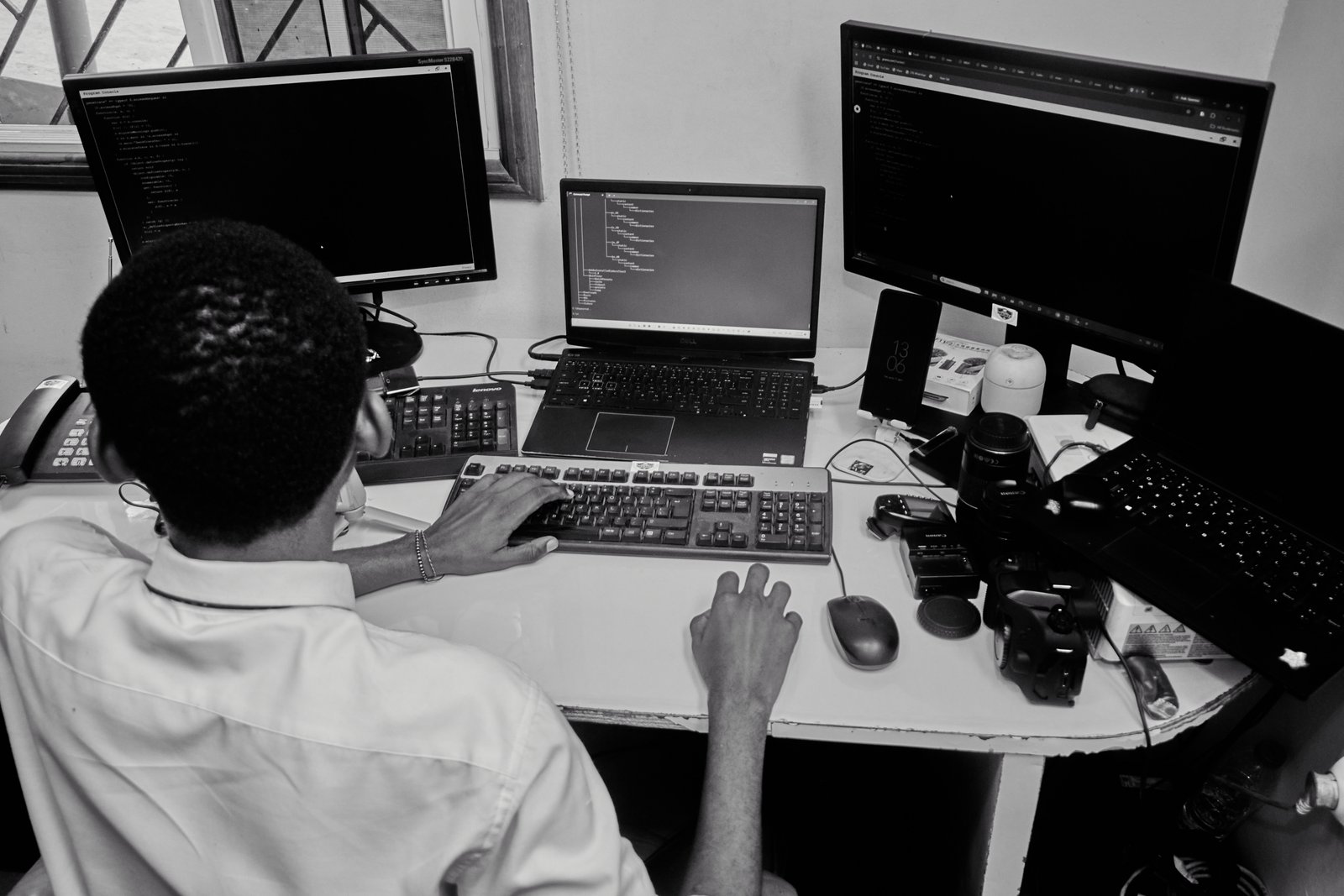
From technical investigation to tested innovation, research becomes a disciplined response to real technology needs.
Applied technology research moves beyond describing a problem. It examines systems, tests ideas and develops solutions that can perform in real professional environments.
Identify and define a significant technology problem within an organisation, industry, infrastructure environment or professional field.
Select appropriate research methods, evidence sources, technical measurements and analytical procedures for the investigation.
Translate research findings into a practical software, security, network, data or intelligent systems solution.
Evaluate the performance, security, reliability and professional relevance of the proposed technology solution.
Present the investigation, technical solution and evidence through a graduate dissertation, defence, professional report or publication-ready research output.
The final research output may include a validated prototype, technical framework, systems assessment, security model, software solution, network design, intelligent application or data-driven innovation.
The MTech learning environment connects academic depth with technical practice. Students engage with professionals who understand research, systems engineering, digital infrastructure and the realities of technology leadership.
Researchers guide students through structured investigation, evidence-based analysis, publication preparation and the development of defensible technology knowledge.
Applied Research · Technical Investigation · PublicationExperienced engineers connect theoretical knowledge with system design, technical implementation, performance evaluation and professional engineering judgement.
Systems Design · Implementation · Technical EvaluationSecurity practitioners provide insight into cyber risk, infrastructure protection, security operations, digital forensics and responsible information security governance.
Security Architecture · Cyber Risk · Digital ResilienceSoftware architects strengthen student understanding of scalable system design, application structure, integration, software quality and complex technology delivery.
Architecture · Integration · Software QualityNetwork professionals bring practical knowledge of connectivity, enterprise infrastructure, telecommunications systems, performance management and secure communication environments.
Networks · Telecommunications · InfrastructureAI and data practitioners support advanced learning in machine learning, analytics, intelligent systems, data engineering and responsible automated decision-making.
Machine Learning · Data Systems · Intelligent ApplicationsIndustry leaders provide strategic insight into technology investment, project delivery, innovation, operational responsibility and digital transformation.
Leadership · Technology Strategy · TransformationResearch supervisors guide students from problem formulation and methodology through technical development, dissertation writing and final defence.
Supervision · Dissertation · Research DefenceMEHIT combines campus-based graduate education with digital access to learning materials, academic services, technical resources and collaborative support.
Access selected graduate learning activities, academic content and programme resources beyond the physical classroom.
Consult programme materials, technical references, research guidance and specialised learning resources supporting advanced technology study.
Access relevant academic information, programme notices, institutional services and student-facing digital processes through a structured portal.
Support graduate learning and research through access to selected academic publications, reference materials and institutional research resources.
Work with classmates, lecturers and supervisors through structured digital collaboration for technical projects, research and academic discussion.
Maintain contact with the academic environment through digital guidance, supervision support, programme communication and relevant student services.
MEHIT credentials can be verified through the institution’s academic verification portal, supporting trust, transparency and professional use.
Visit Verification PortalEach MTech specialisation prepares graduates for advanced technical roles, professional leadership, specialised consulting and responsibility within complex technology environments.
Progress into advanced software development, architecture, systems delivery and technology leadership responsibilities.
Progress into advanced information security, cyber-risk, infrastructure protection and digital resilience responsibilities.
Progress into advanced network engineering, telecommunications infrastructure, connectivity and technical operations leadership.
Progress into advanced artificial intelligence, machine learning, data engineering, analytics and intelligent systems responsibilities.
Applicants should submit a complete graduate application demonstrating the academic preparation, technical background and professional direction required for advanced technology study.
Applicants should normally hold a recognised Bachelor’s degree, Licence or equivalent Bac+3 qualification in Computer Science, Software Engineering, Information Technology, Cyber Security, Network Engineering, Telecommunications, Artificial Intelligence, Data Science or a closely related discipline.
A recognised Bachelor’s degree, Licence or equivalent qualification from an approved higher education institution.
Evidence of previous study or professional experience in computing, engineering, information systems, cybersecurity, networks, data or a related technology field.
Official or certified academic transcripts and copies of relevant certificates or diplomas.
A valid national identity card, passport or other institutionally accepted identification document.
A completed MEHIT Graduate School application form containing accurate academic, personal and programme information.
A current curriculum vitae presenting academic preparation, technical skills, employment history, projects and relevant professional experience.
A concise statement explaining the applicant’s academic interests, professional objectives, preferred specialisation and reason for selecting the MTech.
Programme-specific materials such as a technical portfolio, project summary, professional certification or evidence of relevant practical work may be requested.
Applicants may be invited to an interview with the Graduate Admissions Committee to discuss academic readiness, technical experience and professional objectives.
Evidence of adequate English-language proficiency may be required where previous education was not completed in English or where programme conditions make it necessary.
Applicants working in software development, information systems, cybersecurity, networking, telecommunications, data analytics, artificial intelligence or related professional environments may be asked to provide evidence of relevant experience.
Programme-specific requirements may apply. Applicants should contact Graduate Admissions for confirmation before submitting their application.
Contact Graduate AdmissionsReview the principal academic, delivery and qualification details of the Master of Technology before beginning your graduate application.
Advanced graduate education in computing, engineering, technological innovation and applied research.
Programme schedules, tuition arrangements and specialisation-specific academic requirements should be confirmed with MEHIT Graduate Admissions before registration.
Contact Graduate AdmissionsReview key information about programme pathways, academic requirements, study options, research and credential verification before submitting your application.
MEHIT offers MTech pathways in Software Engineering, Cyber Security, Network and Telecommunications, and Artificial Intelligence and Big Data.
The MTech is structured as a two-year graduate programme progressing from advanced technical foundations to specialised practice, applied innovation and research.
The programme provides on-campus and online study options. Applicants should confirm the delivery arrangements for their selected specialisation with Graduate Admissions.
Relevant professional experience may strengthen an application, particularly for applicants working in software, cybersecurity, networks, telecommunications, data or artificial intelligence. Admission also considers the applicant’s academic preparation.
Yes. Students develop applied research competence through technical investigation, data analysis, systems evaluation, prototype development, testing and dissertation or applied technology project preparation.
Applicants from engineering, information systems and closely related disciplines may be considered. The Graduate Admissions Committee will evaluate the relevance of the applicant’s previous studies, technical competence and professional experience.
International applicants may submit an application, subject to the required academic, identification and language documentation. Graduate Admissions should confirm any additional international application requirements.
MEHIT academic credentials can be authenticated through the institution’s academic verification portal, supporting professional, institutional and international verification.
Visit Verification PortalApplicants should normally hold a recognised Bachelor’s degree, Licence or equivalent Bac+3 qualification in Computer Science, Software Engineering, Information Technology, Cyber Security, Network Engineering, Telecommunications, Artificial Intelligence, Data Science or a related field.
The selected pathway should reflect your previous academic preparation, current technical experience and future professional direction. Graduate Admissions can provide guidance where two or more pathways appear suitable.
Programme-specific academic, tuition or application questions should be confirmed directly with MEHIT Graduate Admissions.
Contact Graduate AdmissionsBuild the advanced technical judgement, applied research capacity and professional leadership required to design, secure and improve modern technology systems.
Strengthen your advanced technical and engineering expertise.
EXPBuild innovation, leadership and applied research competence.
RSCCreate secure, intelligent and scalable technology solutions.
SYS