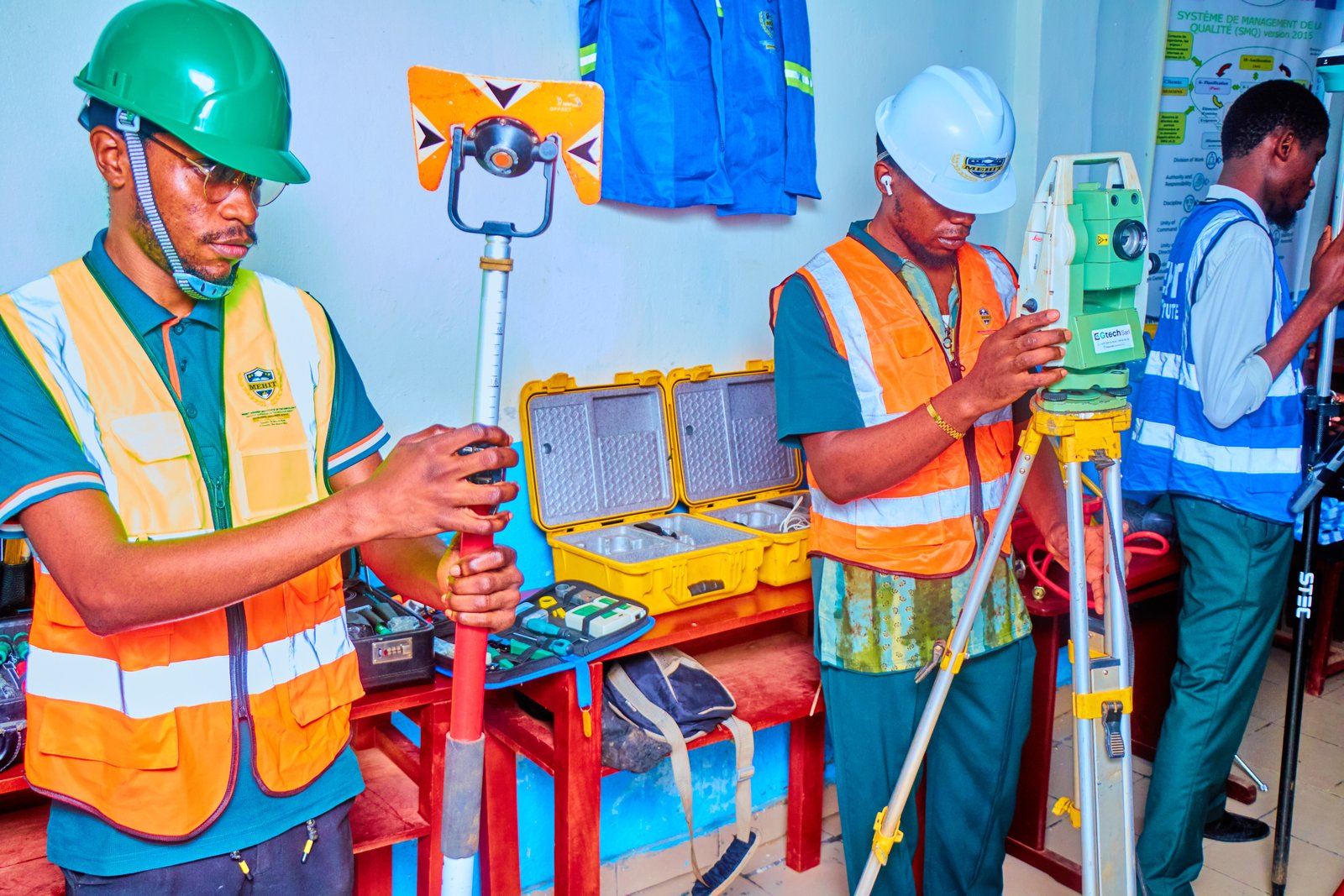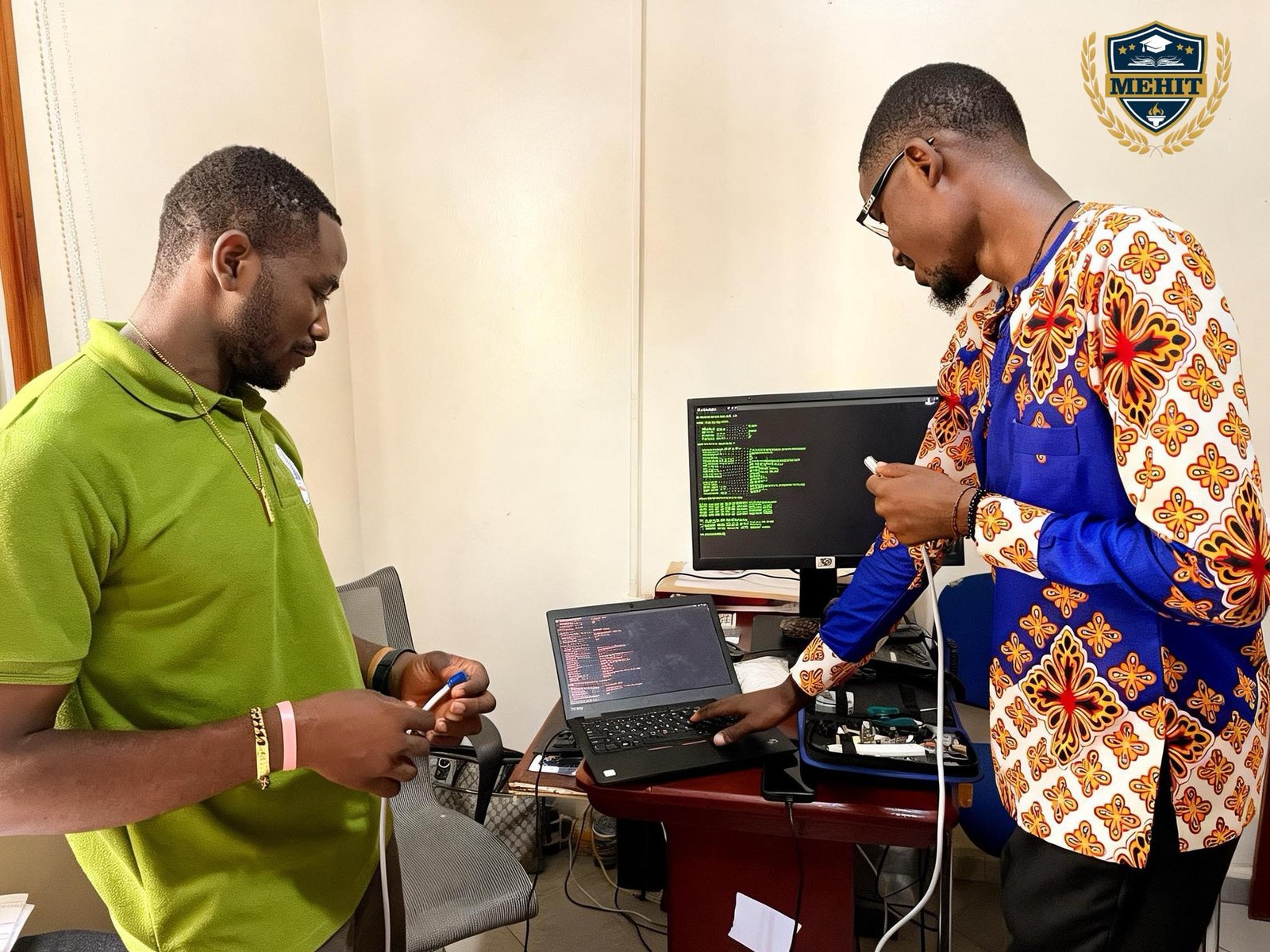
Advanced Engineering Knowledge
Develop deeper knowledge of engineering principles, advanced technical methods and specialised professional practice.
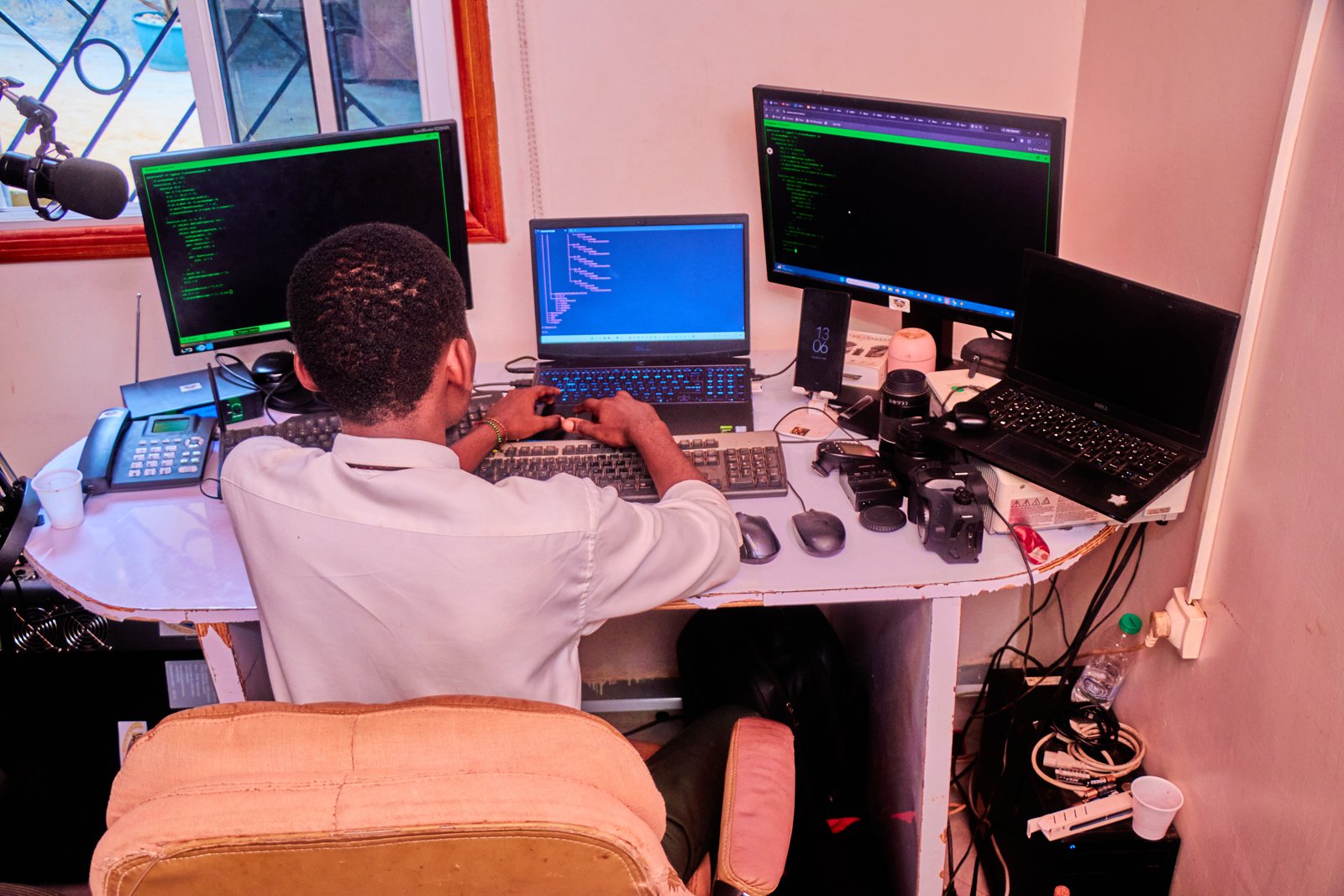
The Master of Engineering at MEHIT develops advanced engineering, technical and applied research competence for professionals who want to design complex systems, improve infrastructure, manage industrial technologies and lead engineering innovation.
The Master of Engineering develops advanced engineering knowledge, systems-thinking and applied research competence for professionals who want to design reliable systems, improve infrastructure, solve industrial problems and lead complex engineering operations.
Develop deeper knowledge of engineering principles, advanced technical methods and specialised professional practice.
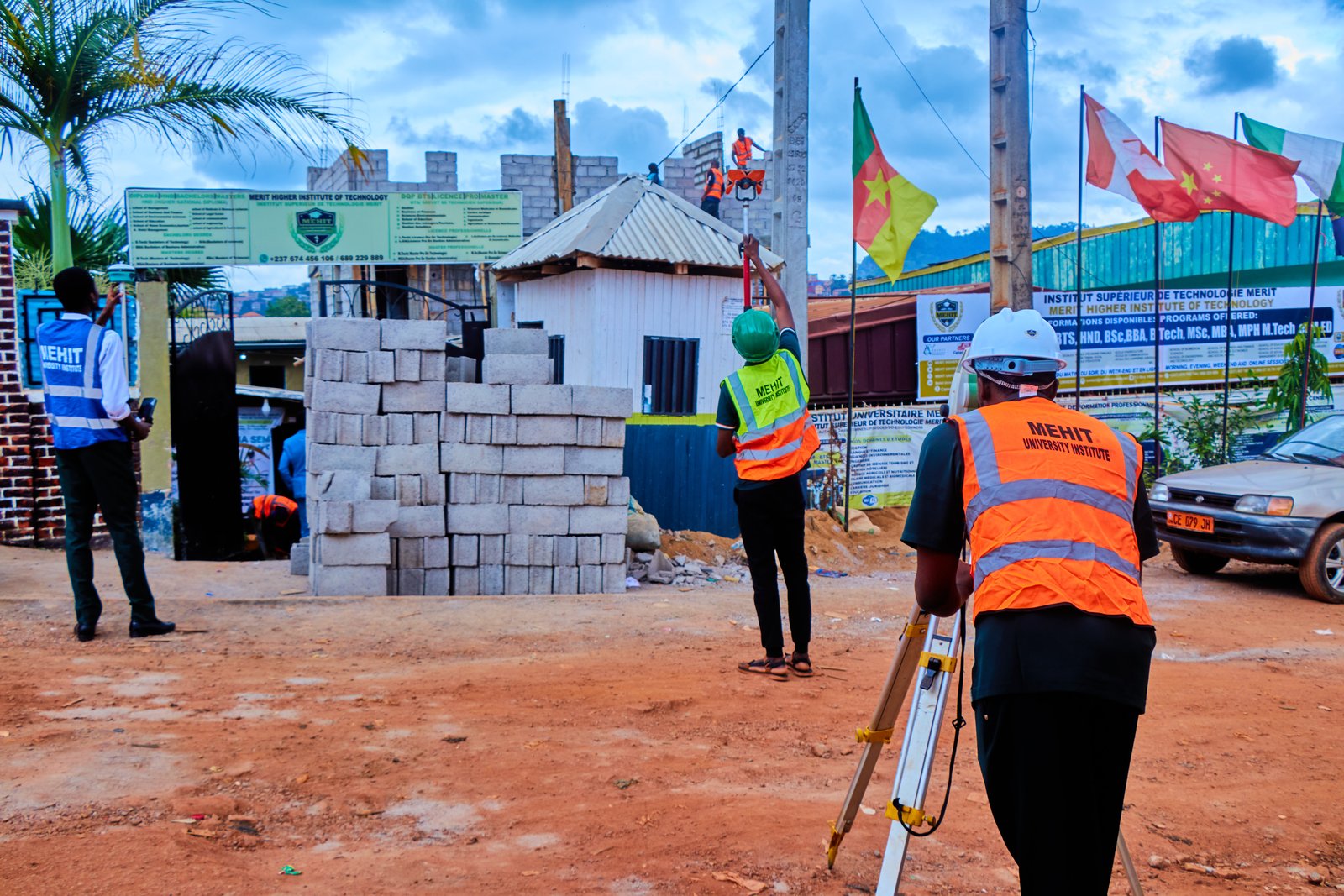
Analyse the interaction between technical components, infrastructure, processes, users and operational environments.
Translate engineering requirements into structured, reliable and professionally defensible technical designs.
Plan, evaluate and improve the systems, facilities, networks and industrial infrastructure that support modern organisations and communities.
Investigate complex operational and technical problems and develop practical engineering responses based on evidence.
Conduct structured engineering investigation, analyse technical evidence and develop validated solutions for real professional challenges.
Coordinate engineering projects, technical teams, operational resources, schedules, risks and quality requirements.
Apply professional ethics, safety principles, environmental responsibility and accountable engineering judgement.
The MEng is designed for graduates and experienced professionals seeking deeper engineering knowledge, stronger technical judgement, applied research competence and leadership responsibility across infrastructure, industry and advanced technology.
A graduate engineering community shaped by technical competence, professional responsibility and the ambition to improve real systems.
The Master of Engineering provides specialised pathways across digital systems, infrastructure, industry, energy and natural-resource engineering. Each pathway develops advanced technical competence, applied research capacity and professional engineering leadership.
Develop advanced competence in software architecture, enterprise application engineering, cloud systems, delivery operations and the management of complex software projects.
Develop the engineering judgement required to protect digital infrastructure, assess cyber risk and build secure, resilient information systems.
Build advanced expertise in communication systems, network infrastructure, wireless technologies, connectivity and engineering performance.
Develop intelligent systems, advanced analytics and scalable data platforms capable of supporting complex engineering and organisational decisions.
Develop advanced competence in structural systems, construction, transportation, geotechnical analysis and the management of critical infrastructure.
Develop advanced competence in mechanical systems, energy, manufacturing, automation, maintenance and industrial engineering operations.
Develop advanced competence in electrical power, electronics, automation, embedded systems, control engineering and renewable-energy infrastructure.
Develop advanced expertise in reservoir systems, drilling, petroleum production, oil and gas operations, project management and responsible energy development.
Develop advanced competence in mineral extraction, mine planning, rock mechanics, processing systems, operational safety and responsible mining management.
The programme progresses from advanced engineering foundations and systems analysis to specialised design, professional practice, technical innovation and independent applied research.
Year One establishes the analytical, mathematical, design and research foundations required for advanced engineering study and professional technical responsibility.
From advanced engineering knowledge and analytical preparation to specialised application, professional practice, technical innovation and independent research.
Year Two develops specialised engineering competence through design projects, professional practice, prototype or infrastructure development and supervised graduate research.
The MEng develops advanced analytical, technical, research and leadership competence for professionals responsible for engineering systems, infrastructure, industrial operations and technological innovation.
Analyse complex engineering problems by examining technical requirements, system behaviour, operational constraints and available evidence.
Transform engineering requirements into structured, reliable and scalable technical designs for systems, infrastructure and industrial environments.
Evaluate, plan and improve the physical, industrial and digital infrastructure required by organisations, communities and engineering operations.
Assess engineering risk, system reliability, technical safety and operational resilience throughout the design and implementation process.
Conduct structured engineering investigation, analyse technical evidence and develop validated responses to real industrial and infrastructure challenges.
Plan and coordinate engineering projects, technical teams, resources, schedules, quality requirements and operational performance.
Develop engineering improvements, prototypes, technologies and operating methods that respond to evolving industrial and organisational needs.
Communicate engineering findings, technical designs, project requirements and professional recommendations clearly to specialist and non-specialist audiences.
Lead multidisciplinary technical teams, coordinate engineering decisions and guide projects through complex professional environments.
Measure and improve the efficiency, reliability, quality and operational performance of engineering systems and industrial processes.
Apply ethical judgement, environmental awareness, safety principles and professional accountability throughout engineering practice.
Make defensible engineering decisions by balancing technical evidence, operational requirements, risk, cost, quality and professional responsibility.
MEng research connects advanced engineering knowledge with real technical problems. Students investigate systems, develop practical designs, test proposed solutions and produce professionally relevant engineering outputs.
Applied investigation moves from engineering evidence to validated technical design and professional innovation.
Define a significant engineering, infrastructure, industrial or technological problem requiring structured technical investigation.
Gather technical evidence, analyse system conditions and examine the operational causes, risks and requirements surrounding the problem.
Translate research findings into a structured engineering design, technical architecture, process model or professional intervention.
Develop a working prototype, engineering model, infrastructure proposal, system architecture or operational improvement framework.
Evaluate the performance, reliability, safety and practical suitability of the proposed engineering solution.
Present the investigation, engineering process, technical findings and professional contribution through a dissertation, defence and publication- ready research output.
The MEng learning environment connects advanced academic knowledge with current engineering practice through researchers, professional engineers, technical specialists, industry leaders and experienced graduate supervisors.
Faculty engagement supports advanced technical learning, applied investigation, professional judgement and the development of engineering solutions grounded in real organisational and industrial challenges.
Academic and industry faculty contribute through graduate seminars, specialised teaching, engineering case analysis, project supervision, professional feedback and applied research guidance.
MEHIT combines on-campus graduate engineering education with digital academic access, technical resources, remote collaboration and online student support for professionals balancing study with demanding careers.
Access selected graduate engineering classes, academic materials, learning activities and programme communication through MEHIT’s online learning environment.
Consult technical course materials, engineering references, project guidance, research resources and specialisation-specific academic documents.
Access programme information, academic notices, administrative services, student records and essential graduate school communication through one digital environment.
Strengthen engineering assignments, technical projects and graduate research through access to digital academic references and institutional research materials.
Participate in collaborative engineering analysis, project discussions, technical presentations and research exchanges with classmates and academic supervisors.
Receive academic guidance, research supervision, dissertation support and programme clarification through structured digital communication channels.
Support employer, institutional and international authentication through MEHIT’s secure academic credential verification portal.
Digital access supports graduate engineering learning and professional flexibility. Programme-specific attendance, practical and assessment requirements should be confirmed with Graduate Admissions.
Each MEng pathway prepares graduates for specialist professional roles, complex technical environments, engineering leadership responsibilities and independent consulting opportunities.
Progress into advanced software architecture, enterprise development, systems integration and technology delivery responsibilities.
Prepare for responsibility in digital protection, security architecture, cyber-risk management and information-security governance.
Develop advanced responsibility for connectivity, telecommunications infrastructure, network performance and communication-system reliability.
Progress into intelligent systems, machine learning, advanced analytics, data engineering and responsible AI implementation.
Prepare for advanced responsibility in structures, construction, transportation, geotechnical systems and infrastructure development.
Develop advanced responsibility in mechanical systems, manufacturing, industrial maintenance, energy systems and automation.
Prepare for advanced work in electrical power, electronics, embedded systems, automation, control and renewable-energy infrastructure.
Develop advanced competence for petroleum production, drilling, reservoir systems, energy operations and responsible oil and gas project management.
Prepare for advanced responsibility in mine planning, mineral extraction, processing systems, operational safety and responsible mining management.
Career progression depends on each graduate’s prior qualifications, professional experience, selected specialisation and the requirements of employers and professional engineering bodies.
Applicants must provide evidence of appropriate academic preparation, relevant engineering or technical background and the documents required for graduate admissions review.
A recognised Bachelor’s degree, Licence or equivalent Bac+3 qualification from an accredited institution.
Academic or professional preparation in engineering, computing, technology or another relevant technical discipline.
Official or certified academic transcripts showing the applicant’s previous studies, courses and academic performance.
A valid national identity card, passport or another officially accepted identification document.
A correctly completed MEHIT Graduate School application form containing accurate academic and personal information.
An updated curriculum vitae presenting academic qualifications, technical skills, employment history and relevant professional experience.
A statement explaining the selected engineering pathway, professional objectives, academic interests and reasons for pursuing the MEng.
Programme-specific evidence such as project portfolios, professional certificates, technical reports or proof of relevant engineering experience.
Applicants may be invited to discuss their academic preparation, technical background, professional ambitions and selected specialisation.
Evidence of appropriate English or French language proficiency may be requested depending on the applicant’s previous education and study pathway.
Review the principal academic, delivery and qualification details for the Master of Engineering at MEHIT Graduate School.
Programme delivery, module sequencing, practical requirements and specialisation-specific conditions may be updated in line with academic and institutional requirements. Applicants should confirm current information with Graduate Admissions.
Review essential information about MEng specialisations, study options, admission requirements, applied engineering research and credential verification.
The MEng is available in Software Engineering, Cyber Security, Network and Telecommunications, Artificial Intelligence and Big Data, Civil Engineering, Mechanical Engineering, Electrical and Electronic Engineering, Petroleum Engineering and Mining Engineering.
The Master of Engineering normally takes two years to complete. The programme progresses from advanced engineering foundations in Year One to specialised design, professional practice, innovation and applied research in Year Two.
The programme offers on-campus and online study access. Practical activities, assessments, industrial requirements and specialisation-specific attendance conditions should be confirmed with Graduate Admissions.
Professional experience may strengthen an application, especially for applicants seeking advanced industrial or leadership progression. However, applicants may also be considered on the basis of a relevant recognised academic qualification and technical preparation.
Yes. Students identify an engineering problem, conduct applied investigation, develop a technical design or prototype, test and validate the proposed solution and prepare a dissertation or applied engineering research project.
Applicants from related engineering, computing, technology and technical disciplines may apply. Eligibility will be assessed according to the selected specialisation, academic record and evidence of relevant technical preparation.
International applicants may apply with recognised equivalent qualifications. Additional academic, identification, language or administrative documents may be required during the admissions process.
MEHIT academic credentials can be authenticated through the institutional verification portal, supporting confirmation by employers, institutions and authorised international organisations.
Visit Verification Portal ↗Applicants should normally hold a recognised Bachelor’s degree, Licence or equivalent Bac+3 qualification in engineering, computing, technology or another related technical field.
The selected pathway should reflect your previous academic preparation, professional experience, technical interests, intended research direction and long-term engineering career objectives. Graduate Admissions can provide programme-specific guidance before submission.
Strengthen your advanced engineering and technical expertise.
EXPBuild innovation, leadership and applied research competence.
INNDesign reliable systems, infrastructure and industrial solutions.
SYS