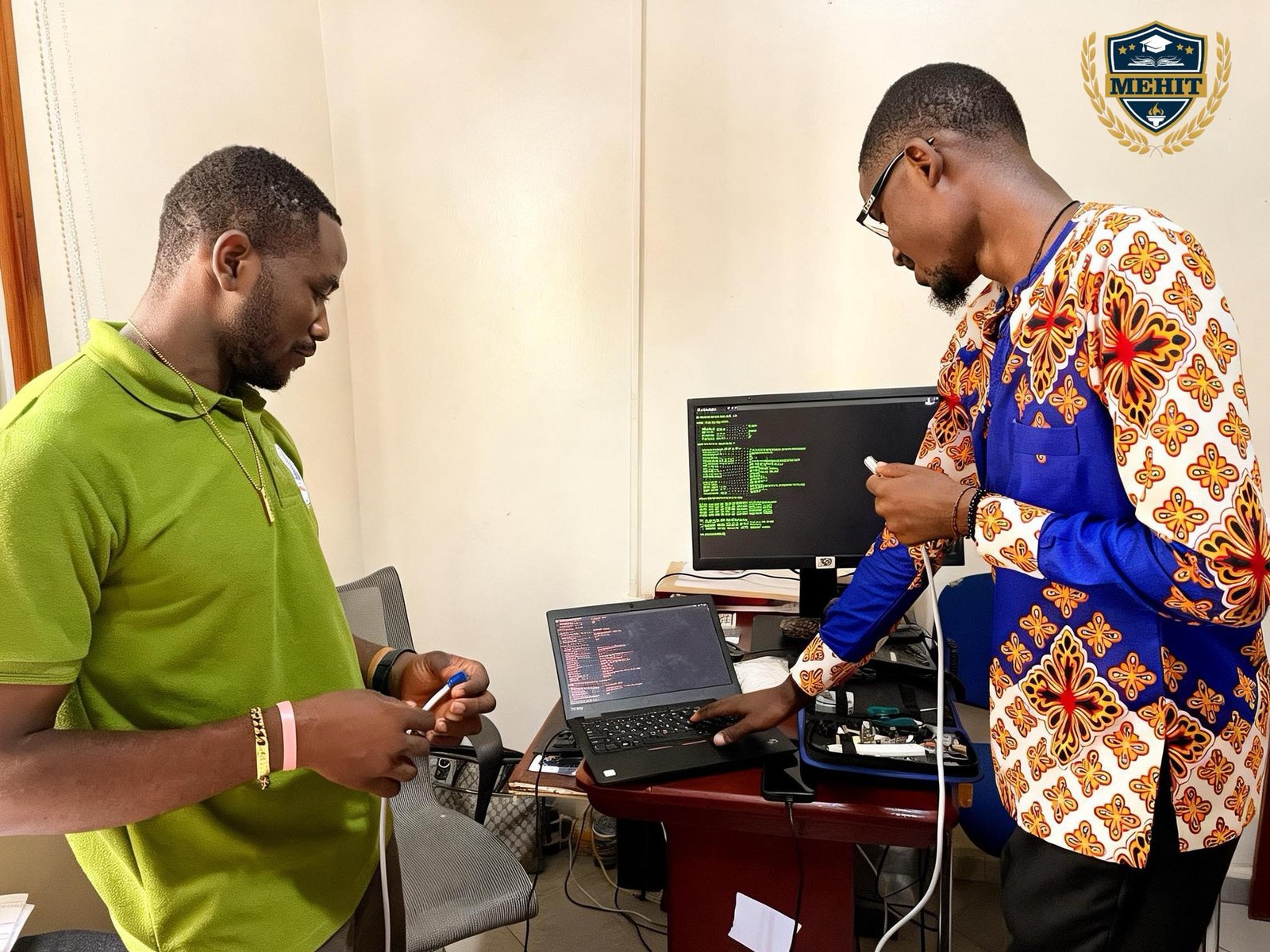
Programming Foundations
Learn core programming concepts, problem-solving logic and structured approaches to building software.
Building reliable digital systems through code, design and engineering discipline.
The Software Engineering programme at MEHIT University prepares students with practical knowledge in programming, software design, databases, systems development, testing, documentation and project delivery for careers in technology companies, software teams, digital services, business systems and innovation-driven organizations.
Reliable software begins when logic, design and disciplined development work together.
The Software Engineering programme develops students’ understanding of programming, software architecture, databases, systems development, testing, documentation and practical project delivery for modern digital environments.
Students build practical knowledge in coding, application design, database systems, software testing, version-aware workflows and team-based development so they can contribute to technology companies, software teams, business systems and digital service organizations.
Learn core programming concepts, problem-solving logic and structured approaches to building software.
Build awareness of application structure, user needs, system behaviour and maintainable design decisions.
Understand how data is stored, organized, queried and used to support reliable digital applications.
Study how software projects move from requirements and planning into implementation and delivery.
Practice checking functionality, identifying defects and improving reliability before deployment.
Learn team-based planning, documentation and delivery habits used in professional software work.
The programme guides students from programming fundamentals into software design, databases, testing, team-based development and professional project delivery.

Begin with programming logic, computing principles, problem-solving methods and the technical foundations needed for software development.
FoundationLearn to write structured code, design applications, organize project logic and build maintainable software components.
DevelopmentBuild practical ability in database systems, application workflows, testing, debugging, documentation and system reliability.
SystemsComplete applied software projects that demonstrate readiness to support development teams, business systems and digital service environments.
ReadinessExplore the programming, database, testing and project development skills that prepare students to build structured software and support modern digital systems.
Learn core programming concepts, problem-solving logic and structured approaches to building software.
Build awareness of application structure, user needs, system behaviour and maintainable design decisions.
Understand how data is stored, organized, queried and used to support reliable digital applications.
Study how software projects move from requirements and planning into implementation and delivery.
Practice checking functionality, identifying defects and improving reliability before deployment.
Learn team-based planning, documentation and delivery habits used in professional software work.
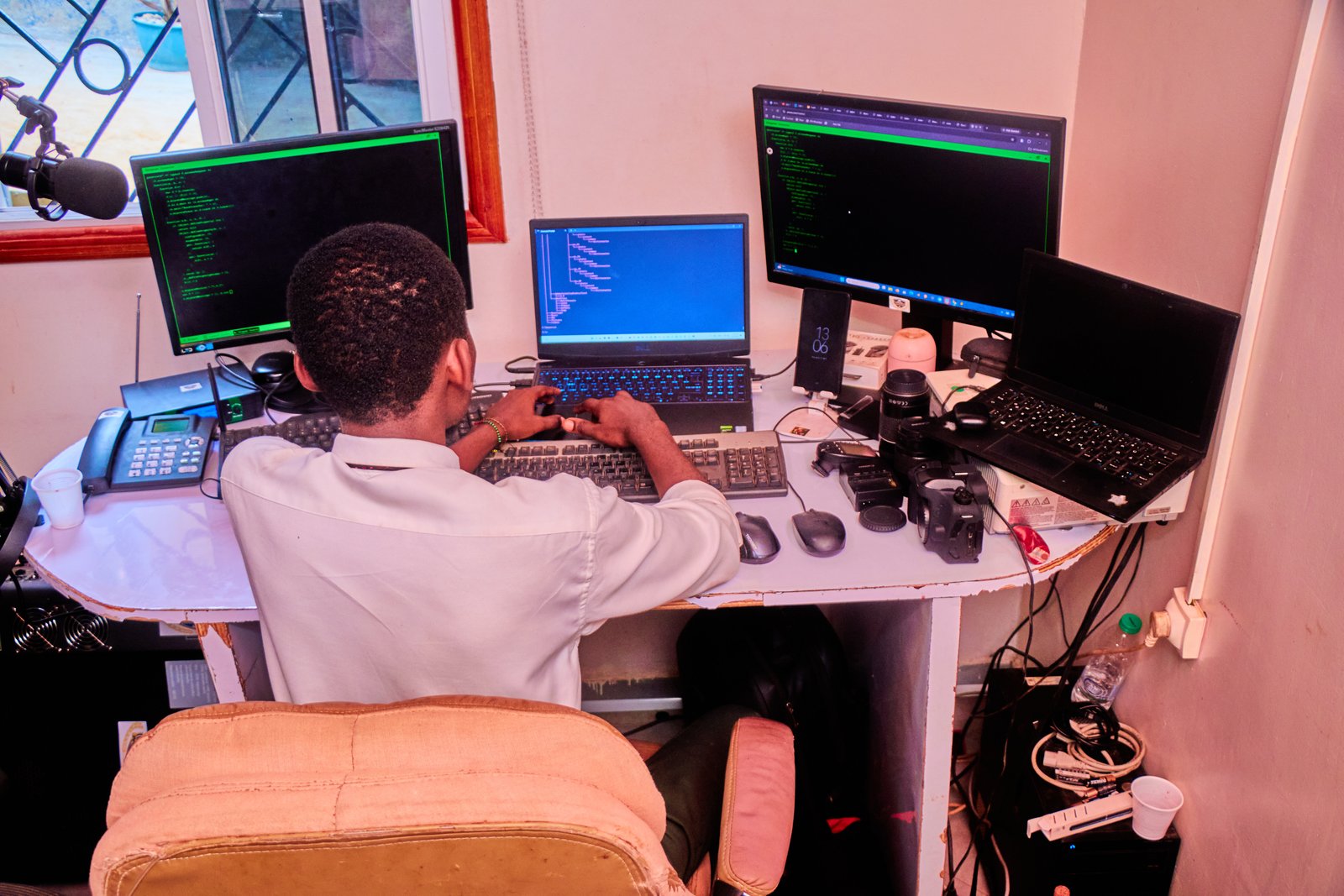
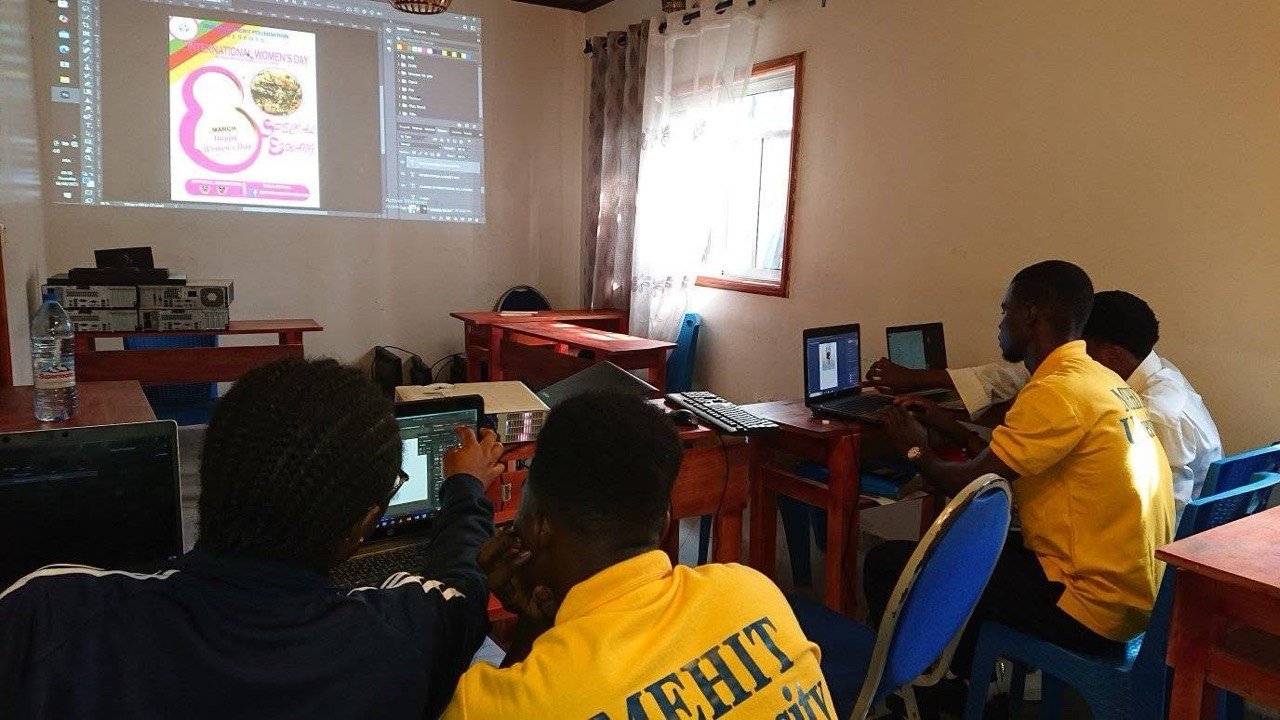
Students learn through coding labs, system design exercises, database practice, software testing tasks, team-based development and portfolio projects that prepare them to support professional software and digital systems work.
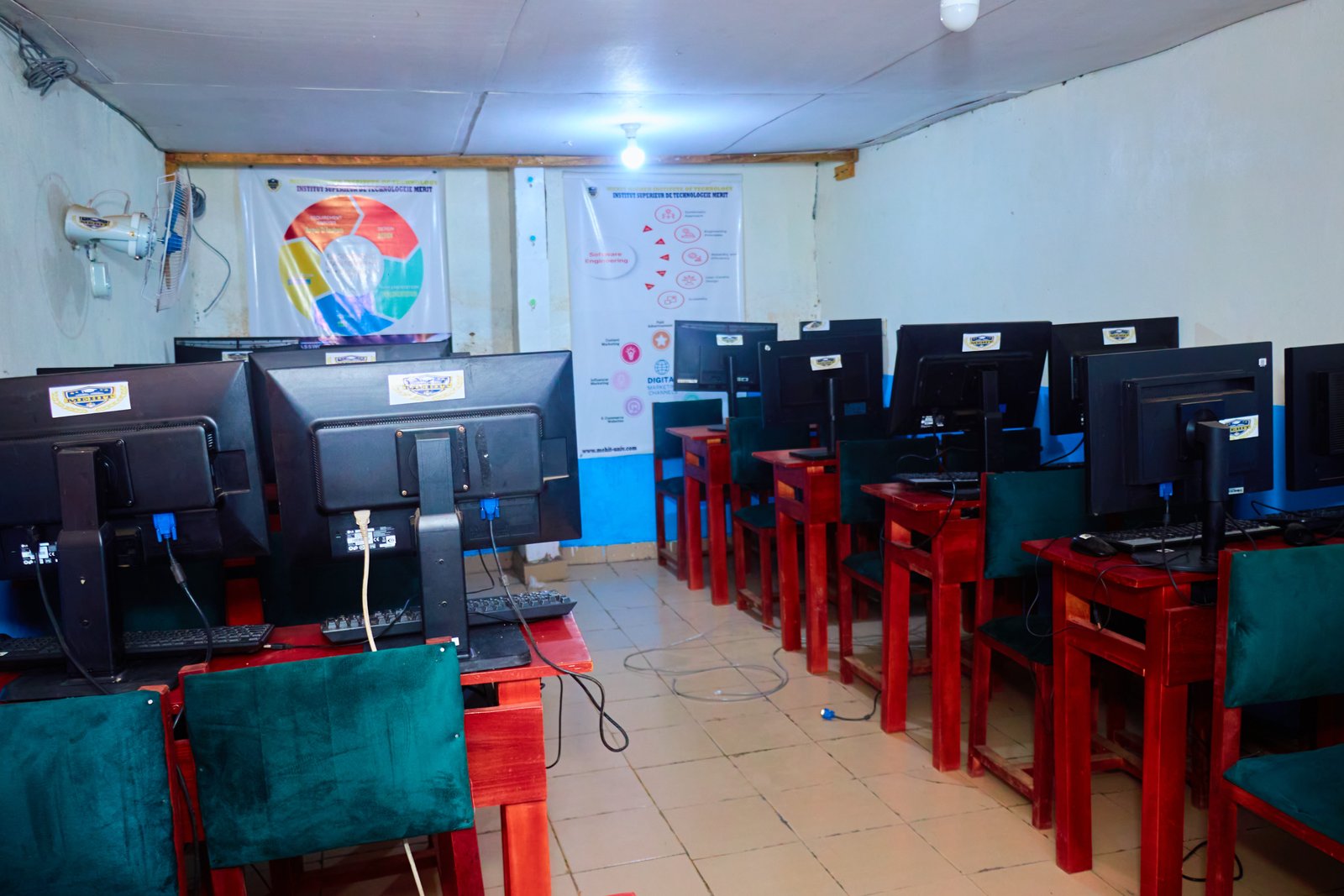
The learning experience connects computing knowledge with professional software practice: writing code, designing systems, managing data, testing applications and building a portfolio of applied digital projects.
Students practice programming logic, structured code and problem-solving through guided lab sessions.
Learners study application structure, user requirements and planning methods for reliable software systems.
Students work with data organization, database queries and information structures used in digital applications.
Practical sessions build confidence in checking functionality, identifying issues and improving software reliability.
Students learn collaboration, documentation and project coordination habits used in professional development teams.
Applied projects help students demonstrate coding, design, testing and software delivery readiness.
Graduates are prepared to support technology companies, software teams, digital services, business systems and innovation-driven organizations through programming, databases, software testing, documentation and project development.

Confirm with Admissions
Four Semesters + Practical Software Engineering Training
Mathematics, computer science, physics, technology or relevant subjects preferred
Full-time On-Campus Programme
MEHIT University Main Campus
Current tuition available from Admissions Office.
Prepared for software development support, programming, database work, software testing, systems support and digital project roles.
The Software Engineering programme is completed over two academic years including practical coding, database, testing and portfolio-based project work.
Students study programming foundations, software design, database systems, systems development, software testing and project development.
Yes. Students develop practical skills through coding labs, system design exercises, database practice, software testing tasks, team-based development and portfolio-based software projects.
Yes. Graduates may progress to further studies in software engineering, computer science, information systems, cybersecurity, data systems or related fields subject to the University’s admission requirements.
Graduates may work as Software Developer Assistants, Junior Programmers, Web Development Assistants, Database Assistants, Software Testing Assistants, Systems Support Assistants, Application Support Assistants and Digital Project Assistants.
Applications are submitted through the MEHIT University Admissions Office. Contact Admissions for entry requirements, tuition fees and application deadlines.
Join an engineering programme designed to develop practical, disciplined and technically confident professionals ready to build reliable software, support digital systems, work with databases, test applications and deliver professional technology projects.
